Gun Safety and Responsible Ownership

Gun ownership carries not only legal authority but also significant moral and social responsibilities. Whether owned for sport, hunting, self-defense, or collecting, firearms demand strict adherence to safety protocols at all times. Negligence, ignorance, or overconfidence can lead to accidental injury, loss of life, or legal consequences that could have been avoided through proper education and discipline.

10 Gun Safety Rules Every Owner Should Know

Introduction

Gun ownership carries not only legal authority but also significant moral and social responsibilities. Whether owned for sport, hunting, self-defense, or collecting, firearms demand strict adherence to safety protocols at all times. Negligence, ignorance, or overconfidence can lead to accidental injury, loss of life, or legal consequences that could have been avoided through proper education and discipline.

This article presents 10 essential gun safety rules that every firearm owner should know, understand, and practice. These principles are universally accepted in firearm communities, law enforcement training, and safety courses. They are not merely suggestions—they are the foundation of responsible gun ownership and a safeguard against tragedy.
10 Gun Safety Rules Every Owner Should Know


1. Always Treat Every Firearm as If It Is Loaded

The cornerstone of gun safety is the assumption that every gun is loaded at all times—even if you believe it isn’t. This mindset eliminates complacency and reinforces habitual caution when handling any firearm.

By treating all guns as loaded:

  • You reduce the chance of negligent discharge.

  • You mentally prepare to engage with the firearm responsibly.

  • You build muscle memory and discipline that can prevent accidents.

This rule is the first line of defense against accidental shootings and must be practiced consistently. 10 Gun Safety Rules Every Owner Should Know


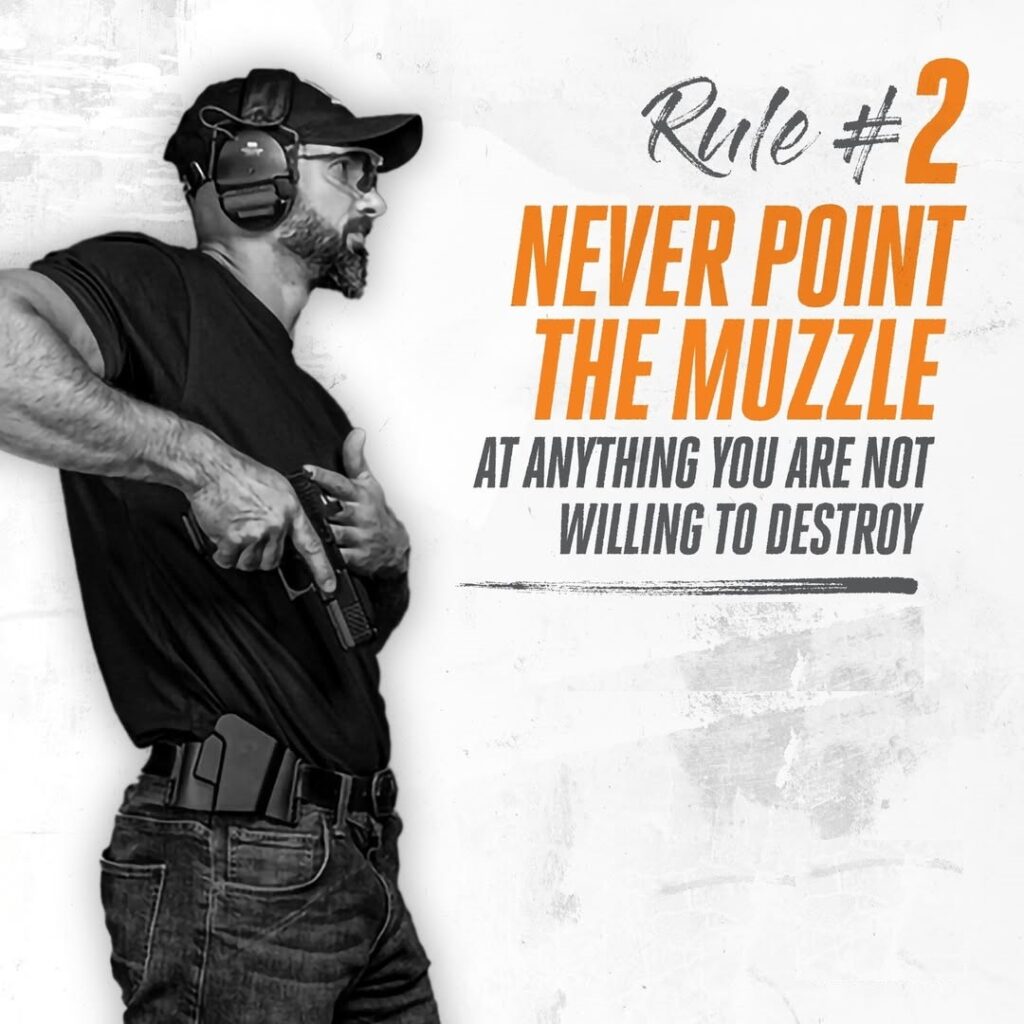
2. Never Point the Muzzle at Anything You’re Not Ready to Destroy

A “safe direction” means that if a gun were to discharge, it would not cause injury or damage. This typically means pointing:

  • Downward at the ground in a controlled environment.

  • Away from people and valuables.

  • Toward a secure backstop when at the range.

Muzzle awareness is essential even when you’re sure the firearm is unloaded. Many accidents have occurred because someone “thought” a gun was empty. Make this rule non-negotiable every time you handle a firearm.10 Gun Safety Rules Every Owner Should Know


3. Keep Your Finger Off the Trigger Until Your Sight Are Aligned On The Target And You’re Ready To Fire

Many unintentional discharges occur because someone placed their finger on the trigger prematurely. Your trigger finger should remain outside the trigger guard and along the frame until:

  • Your target is in sight.

  • You’ve made the decision to shoot.

  • You are in full control of your environment and backdrop.

This rule is especially critical during high-stress situations where adrenaline can affect judgment and motor skills. Training and self-awareness are key to preventing a tragic error.10 Gun Safety Rules Every Owner Should Know


4. Always Be Sure of Your Target and What Lies Beyond It

A responsible shooter must always identify:

  • The exact target.

  • What’s behind the target.

  • What’s around it, in case of a missed or over-penetrating shot.

Bullets can travel long distances, pass through walls, or ricochet unexpectedly. This rule is especially important in home defense scenarios, where other people may be present and walls may conceal them.

Understanding your surroundings before pulling the trigger is a fundamental component of ethical and legal firearm use.10 Gun Safety Rules Every Owner Should Know



Rated 0 out of 5

Glock 20

Glock 20 Gen 4 Enhanced 10mm

Model Name Glock 20 Gen 4 Enhanced 10mm Caliber 10mm Auto Barrel Length 4.6 inches (standard G20 Gen 4 barrel) Frame Type Full-size polymer frame with custom grip modifications Factory...

$740.00

Rated 0 out of 5

CZ P10c

Model Name CZ P10c Custom – Tropic MC Platform CZ P10c 9mm polymer striker‑fired Caliber 9mm Luger Frame Work Gap borders, full index points, rice texture, full tang texturing Finish...

$675.00

Rated 0 out of 5

Glock 19

Glock 19 Gen 5 Premium Duty Grade

Model Name Glock 19 Gen 5 Premium Duty Grade Platform Glock Gen 5 Compact Caliber 9mm Luger Barrel Length 4.02 inches Frame Type Custom-worked polymer frame

$780.00

5. Store Firearms and Ammunition Securely

Firearms should be inaccessible to unauthorized users, especially children, guests, or burglars. Proper storage involves:

  • Using gun safes, lockboxes, or cable locks.

  • Separating ammunition from the firearm when not in active use.

  • Utilizing biometric safes for quick but secure access in emergencies.

Unsecured guns lead to thousands of avoidable deaths and injuries each year, many involving children or inexperienced handlers. Secure storage is a legal obligation in many jurisdictions—and a moral one everywhere.


6. Never Rely Solely on the Gun’s Safety Mechanism

A firearm’s mechanical safety is a supplementary feature, not a guarantee. Mechanical safeties can:

  • Fail due to wear, manufacturing defects, or improper maintenance.

  • Be disengaged accidentally without the shooter realizing.

  • Provide a false sense of security.

Always treat the firearm as if the safety mechanism is nonexistent. Use safety devices as one layer in a multi-layered safety approach—not as your only safeguard.


7. Maintain Your Firearm in Safe Working Condition

A poorly maintained firearm can be just as dangerous as careless handling. Regular maintenance includes:

  • Cleaning the barrel, chamber, and action.

  • Inspecting for signs of damage or wear.

  • Ensuring proper lubrication and storage.

A neglected gun can misfire, jam, or malfunction at a critical moment. Follow the manufacturer’s maintenance guidelines and consult a certified gunsmith for inspections or repairs when needed.


8. Use the Correct Ammunition

Using the wrong type or caliber of ammunition can result in catastrophic firearm failure. Always:

  • Match the ammunition to the specifications listed on the barrel or user manual.

  • Inspect each round for signs of damage or defects.

  • Avoid reloading or using reloaded ammunition unless properly trained and equipped.

Incorrect ammunition can cause misfires, explosions, or damage to the firearm—and severe injury to the shooter or bystanders.


9. Educate Everyone in the Home About Firearm Safety

Everyone in the household, including children, should understand the basics of firearm safety. This doesn’t mean giving children access to firearms—it means demystifying guns and preventing curiosity-driven accidents.

Tips include:

  • Teaching kids to never touch a firearm and to alert an adult if they find one.

  • Making sure everyone knows that guns are not toys.

  • Reinforcing consistent safety messages rather than relying on a single conversation.

For families with children, programs like Eddie Eagle GunSafe® by the NRA offer age-appropriate safety lessons.


10. Take Ongoing Firearms Training

Owning a gun is not a one-time decision—it’s a commitment to continuous learning and skill development. Safe handling improves with:

  • Regular range practice.

  • Defensive shooting courses.

  • Tactical or scenario-based training.

  • Certification or recertification in firearm safety.

Responsible owners stay current with laws, refine their technique, and maintain confidence under pressure. Continued education turns safe habits into lifelong behavior.


Conclusion

Firearm safety is not a passive responsibility—it is an active, ongoing commitment. Whether you are a first-time gun owner or a seasoned firearms enthusiast, these 10 gun safety rules serve as the foundational principles of responsible ownership. They are not negotiable, and they must be practiced consistently in every setting.

Each rule builds on the others to create a comprehensive safety framework. The consequences of neglecting even one can be tragic. But by following these guidelines with discipline and intention, gun owners protect themselves, their families, and their communities.

In the end, gun safety is not just about avoiding harm—it’s about honoring the privilege and power that comes with firearm ownership. It’s about being informed, prepared, and respectful of the life-changing responsibility that comes with pulling a trigger. When safety becomes second nature, accidents become preventable, and ownership becomes truly responsible.