Gun Safety & Responsible Ownership
Introduction
Firearms have long been a part of human civilization—used for hunting, sport, self-defense, and, at times, conflict. In contemporary society, particularly in countries like the United States, the right to bear arms is constitutionally protected. However, with this right comes a profound responsibility: the obligation to use, store, and maintain firearms in a safe and responsible manner. Gun safety and responsible ownership are not merely legal obligations—they are moral imperatives that protect individuals, families, and communities from preventable tragedies.
This paper explores the multifaceted aspects of gun safety and responsible gun ownership. It provides an in-depth understanding of safe handling, legal considerations, ethical responsibilities, and best practices that every firearm owner should adopt.
The Importance of Gun Safety
1. Preventing Accidental Discharges
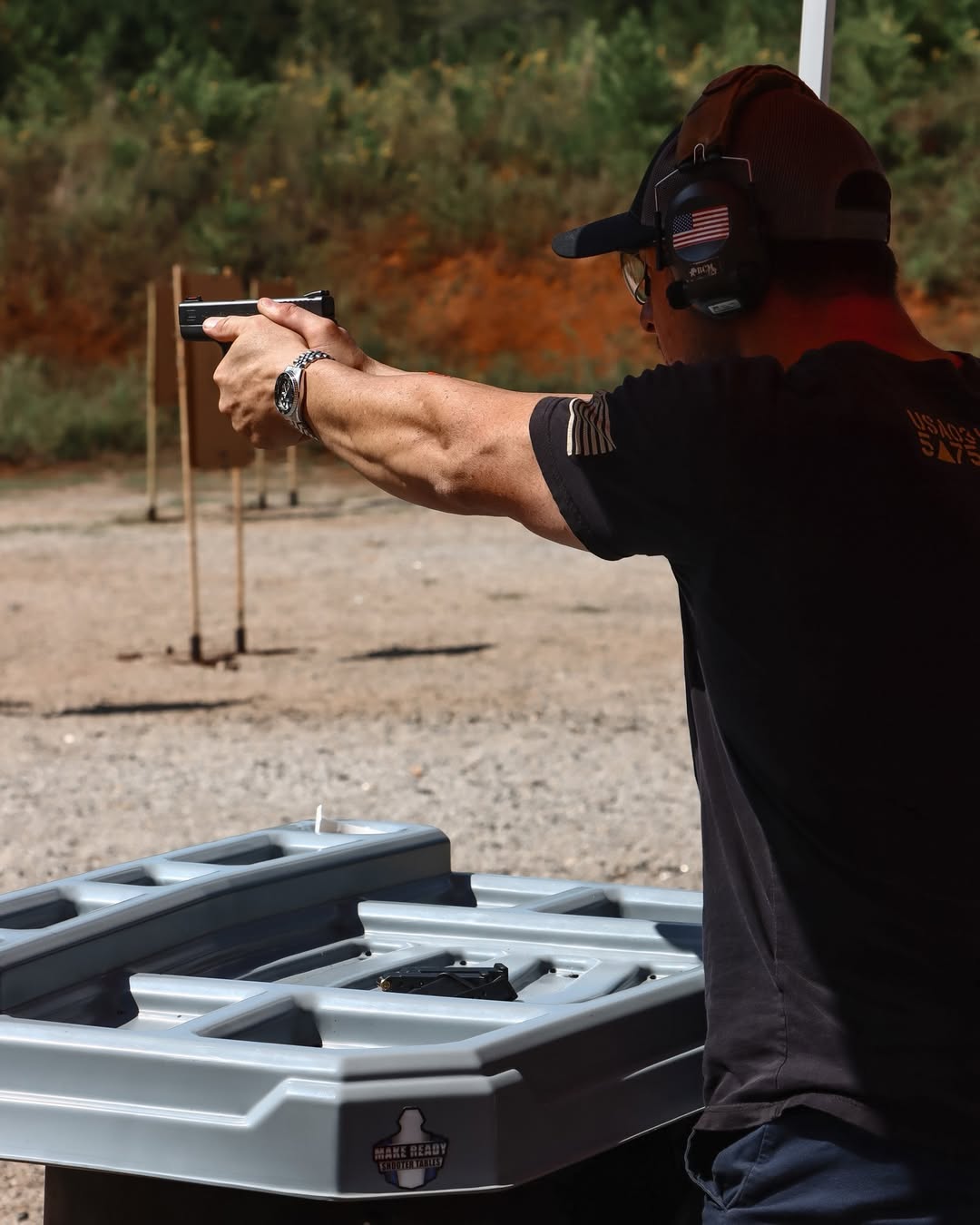
One of the primary reasons for emphasizing gun safety is the prevention of accidental discharges. According to various safety organizations, thousands of accidental shootings occur annually, many of which involve children or inexperienced users. Safe handling protocols—such as keeping fingers off the trigger until ready to shoot and never pointing a firearm at anything one does not intend to destroy—are critical in minimizing such incidents.
2. Protecting Children and Vulnerable Individuals
In homes where firearms are present, childproof storage methods are essential. Gun safes, trigger locks, and biometric security devices can prevent children from gaining unauthorized access to firearms. Responsible ownership means understanding that a child’s natural curiosity can turn deadly if firearms are left unsecured.
3. Reducing Gun Theft and Illegal Use
Responsible ownership also entails safeguarding firearms against theft. A stolen gun may be used in criminal activities, thereby endangering public safety and implicating the original owner. Proper storage and vigilance can significantly reduce the risk of firearms falling into the wrong hands.
Core Principles of Gun Safety
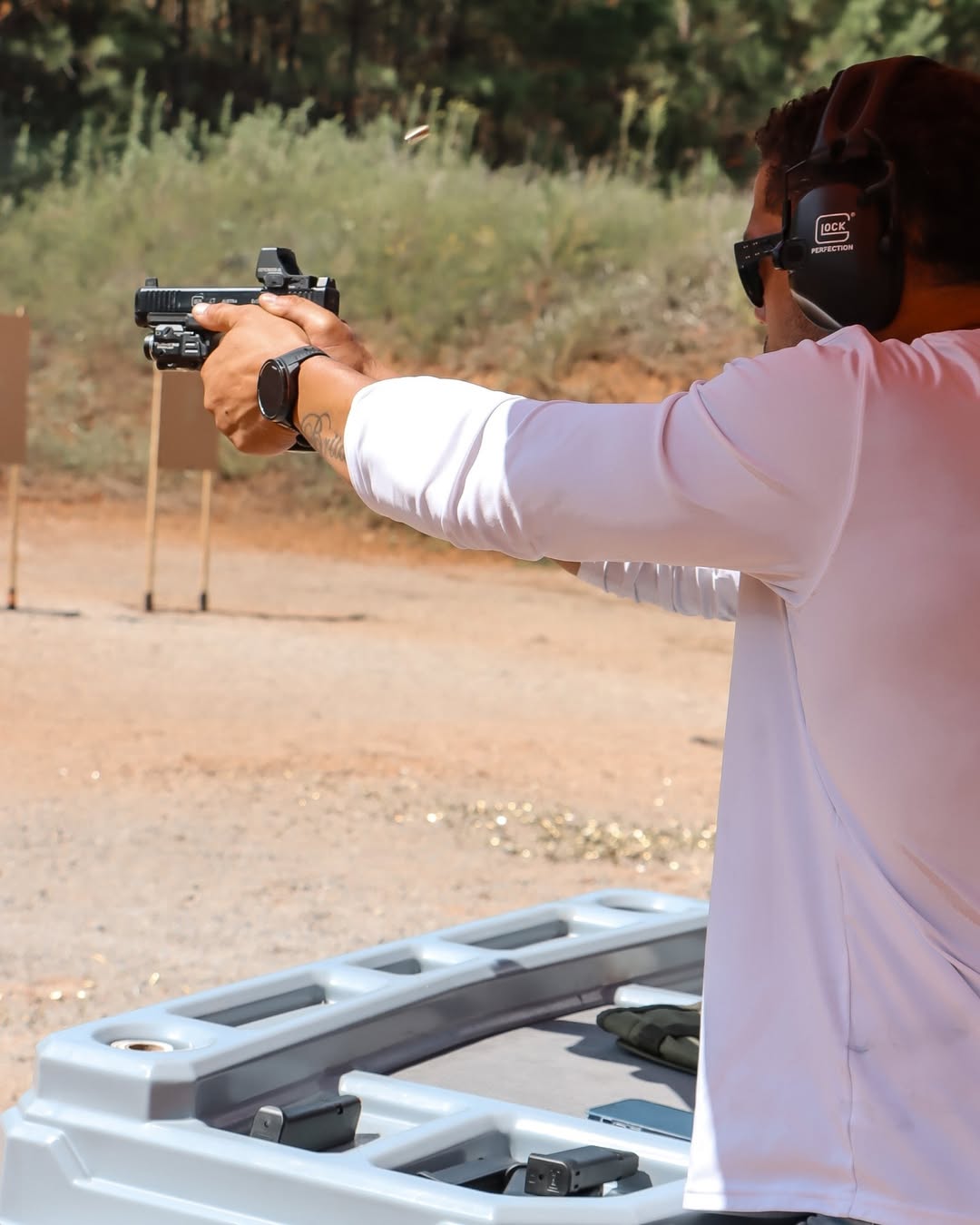
The foundation of gun safety is built on four universally recognized rules:
-
Treat every firearm as if it is loaded.
This mindset cultivates constant awareness and reduces the likelihood of complacency. -
Never point a firearm at anything you are not willing to destroy.
This reinforces directional awareness and promotes respect for the weapon’s potential. -
Keep your finger off the trigger until your sights are on the target and you are ready to shoot.
This rule directly addresses the common cause of negligent discharges. -
Be sure of your target and what is beyond it.
Responsible shooters must consider the consequences of every round fired.
These principles apply universally—in homes, shooting ranges, hunting grounds, or during self-defense scenarios. Violations of these rules often lead to unintended consequences, which can range from property damage to loss of life.
Legal Responsibilities of Gun Ownership
1. Understanding Federal, State, and Local Laws
Firearm laws vary significantly by jurisdiction. A responsible gun owner must be well-versed in the relevant legal requirements surrounding:
-
Purchase and registration
-
Permits and licenses
-
Concealed and open carry regulations
-
Storage and transport guidelines
-
Use-of-force laws
Ignorance of the law is not a defense, and violating firearm regulations can result in fines, incarceration, or permanent loss of the right to own firearms.
2. Transfer and Sale of Firearms
Transferring or selling a firearm involves more than a simple transaction. Many jurisdictions require background checks, paperwork, and waiting periods. Responsible owners ensure all transfers comply with the law and are conducted in a way that ensures the recipient is legally eligible and capable of safe firearm handling.
3. Reporting Lost or Stolen Firearms
Most jurisdictions mandate reporting the loss or theft of a firearm within a specific timeframe. Prompt reporting can aid law enforcement, prevent misuse, and protect the owner from legal liability if the weapon is later used in a crime.
Training and Education
1. Basic Firearm Training
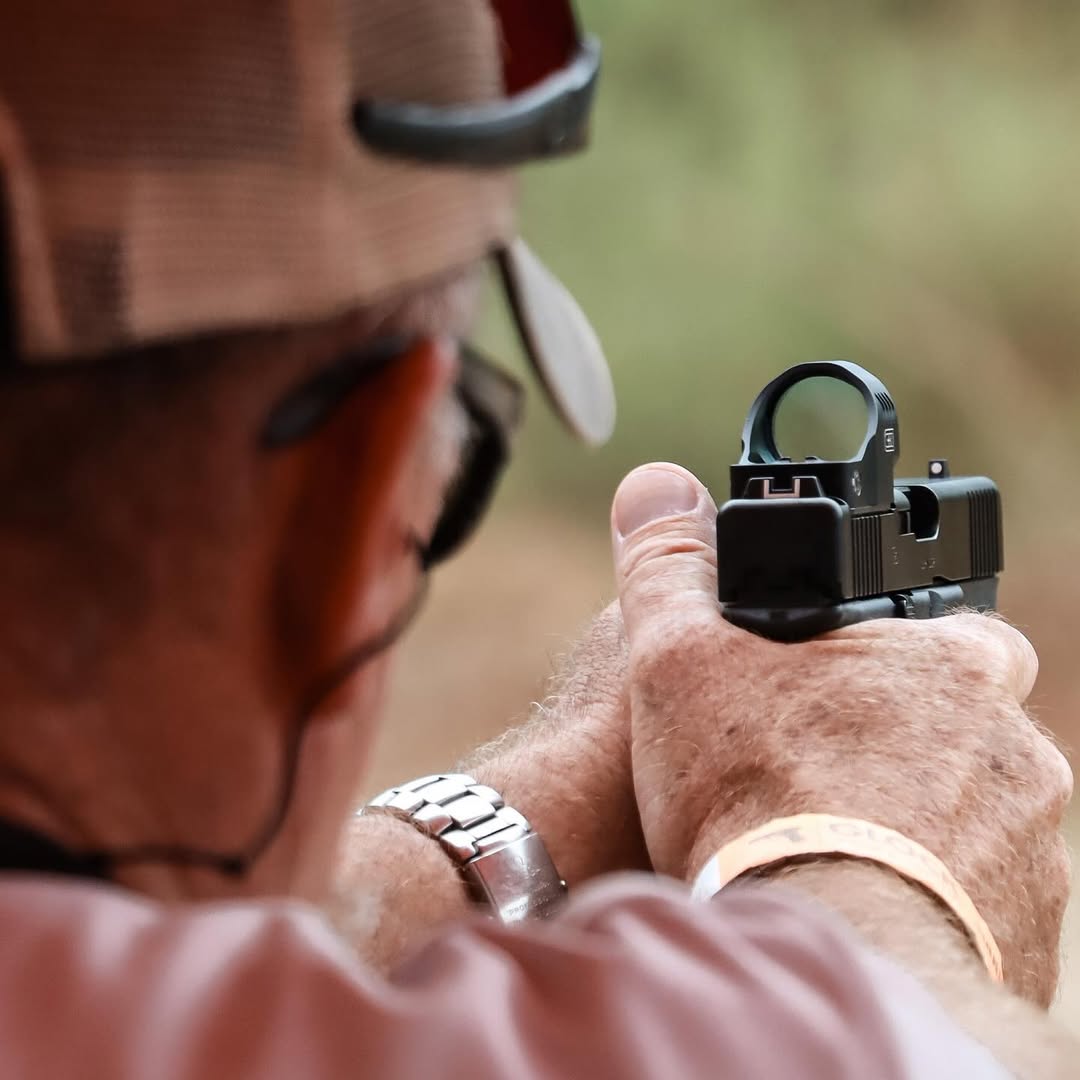
Every firearm owner should undergo certified safety training, even if they have previous experience. Training typically covers:
-
Firearm components and operation
-
Safe handling and maintenance
-
Range safety and etiquette
-
Defensive shooting techniques
Many organizations, such as the NRA, USCCA, and local law enforcement agencies, offer courses for beginners and advanced users alike.
2. Ongoing Practice and Skill Development
Proficiency with a firearm is not a one-time achievement. Regular practice is essential to maintain familiarity, improve accuracy, and reinforce safety habits. Shooting ranges provide a controlled environment for safe practice.
3. Scenario-Based Training
Responsible ownership includes preparing for high-stress situations. Scenario-based training teaches how to make quick, ethical decisions under pressure—skills critical in self-defense situations. It also helps shooters distinguish between justified and unjustified use of force.
Safe Storage Practices
1. Gun Safes and Lockboxes
Every firearm should be stored securely when not in use. Safes and lockboxes prevent unauthorized access and offer protection from theft and fire damage. Biometric safes allow quick access while maintaining security.
2. Trigger and Cable Locks
Affordable and effective, these devices add an extra layer of security, particularly when a safe is not feasible. While not a substitute for a proper safe, they can prevent impulsive or accidental firing.
3. Storing Ammunition Separately
A fundamental safety protocol involves storing ammunition in a separate, secure location. This reduces the likelihood of accidental discharge, especially by unauthorized users or children.
Ethical Responsibilities and Social Impacts
1. Being a Role Model
Gun owners serve as de facto ambassadors of the firearm community. Demonstrating safe, respectful, and responsible behavior helps reduce stigma, builds public trust, and encourages others to follow best practices.
2. Mental Health Considerations
Firearm owners must also assess their mental and emotional fitness. If an individual is experiencing severe stress, depression, or other mental health issues, temporary removal of firearms from the home—through trusted individuals or legal programs—can prevent tragic outcomes such as suicide or domestic violence.
3. Community Engagement
Gun owners should actively promote safety in their communities. Hosting or participating in educational events, donating to safety programs, and mentoring new gun owners are effective ways to contribute to a safer society.
Technology and Innovation in Gun Safety
Modern technology has led to advancements in gun safety features. Smart guns with biometric triggers, digital safes, and mobile-connected monitoring devices enhance security and control. While not universally adopted, these tools offer promising solutions to modern gun safety challenges.
Legislation and innovation can work hand-in-hand to reduce accidental shootings, especially among children and teenagers, who are statistically more at risk when guns are improperly stored or handled.
Conclusion
Gun ownership is a serious responsibility that requires more than legal compliance—it demands a commitment to safety, ethics, and lifelong learning. Every firearm owner holds the power to protect or endanger life, depending on how that responsibility is exercised.
By adhering to the core principles of gun safety, staying informed about the law, practicing regularly, and modeling ethical behavior, owners contribute to a culture of responsible gun use. This culture not only protects families and communities but also preserves the integrity of the right to bear arms.
In a world increasingly divided on the topic of firearms, the one common ground must be safety. Whether for sport, protection, or tradition, gun ownership should always begin and end with responsibility.